
Relieve Fibroid Symptoms Without Major Surgery
Discover a minimally invasive treatment that can help shrink uterine fibroids, reduce symptoms, and support a faster return to daily activities.

Still Experiencing Symptoms from Uterine Fibroids?
Uterine fibroids can cause a range of symptoms that interfere with daily life, including heavy bleeding, pelvic pressure, and discomfort. When medications or other treatments do not provide relief, minimally invasive procedures may offer another option.
What is UFE?
Uterine Fibroid Embolization (UFE) is a physician-performed, image-guided treatment that helps relieve symptoms by reducing blood flow to fibroids, causing them to shrink over time.
It is a minimally invasive procedure used to treat uterine fibroids without surgery.
During the procedure, a small catheter is inserted into a blood vessel and guided to the arteries supplying the fibroids. Tiny particles are released to block the blood flow to the fibroids, which causes them to shrink and reduces the symptoms they cause.
The procedure is performed using image guidance, allowing the physician to precisely treat the fibroids while preserving the uterus.
Common Symptoms of Uterine Fibroids
You may benefit from evaluation if you experience:
Heavy or prolonged menstrual bleeding
- Pelvic pressure and fullness
Abdominal bloating or increased abdominal girth
Urinary urgency or frequent urination
Constipation
Painful intercourse
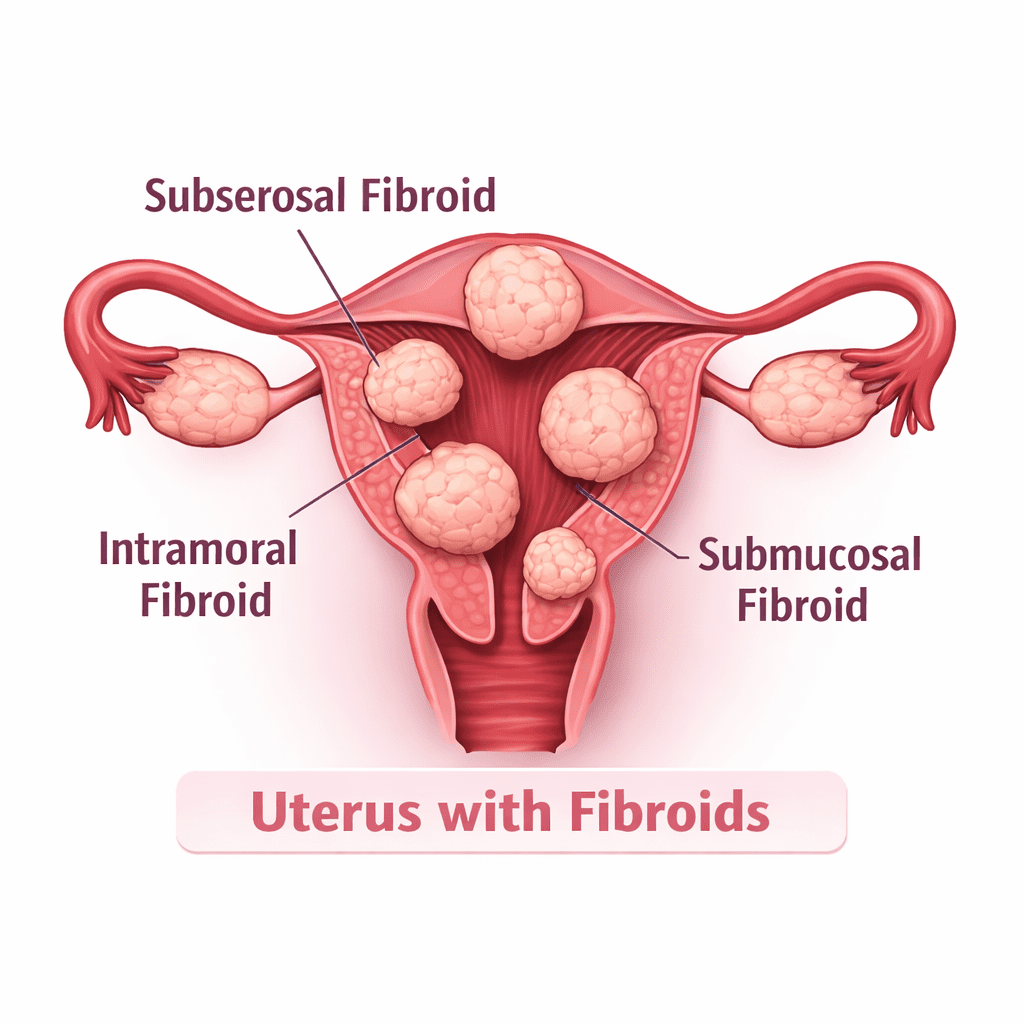
These symptoms can vary depending on the size, number, and location of the fibroids.
Why Choose UFE?
Uterine Fibroid Embolization works by blocking the blood supply to uterine fibroids. Without blood flow, the fibroids shrink over time, which helps to:
Reduce heavy menstrual bleeding
Relieve pelvic pain and pressure
Decrease urinary frequency or abdominal fullness
Improve overall comfort and quality of life
- Keep your uterus
- No major surgery
- No scars
- Quick recovery
UFE is a minimally invasive procedure that is performed using image guidance through a small catheter inserted into the blood vessels (uterine arteries). Patients return home the same day after the procedure and resume normal activities within a short recovery period.
Who Is a Good Candidate for UFE
You may be a good candidate if you:
Have symptomatic uterine fibroids
Experience urinary urgency or frequent urination
Have constipation or abdominal pressure
Experience painful intercourse
Want a minimally invasive alternative to surgery
Benefits of UFE
UFE offers several advantages for women seeking relief from fibroid symptoms:
Minimally invasive, no major surgery
Preserves the uterus
Short recovery time
Effective reduction in fibroid size
Relief from heavy bleeding and pelvic pressure
Frequently Asked Questions
How does UFE shrink fibroids?
During UFE, tiny particles are delivered through a catheter into the blood vessels that supply the fibroids. This blocks the blood flow to the fibroids, causing them to shrink gradually over time.
Will UFE affect my uterus?
UFE is designed to treat fibroids while preserving the uterus. The procedure targets the blood vessels feeding the fibroids while maintaining normal blood flow to the surrounding uterine tissue.
Are the results of UFE long-lasting?
Many women experience long-term relief from fibroid symptoms after UFE. Once treated, fibroids typically shrink and symptoms such as heavy bleeding and pelvic pressure improve.
Will fibroids return after UFE?
Treated fibroids usually do not regrow after UFE. However, new fibroids can develop in some patients over time, which is why follow-up care with your physician is important.
How long does the UFE procedure take?
The procedure typically takes about 1 to 2 hours. Afterward, patients are monitored for a short time before returning home the same day.
Explore Your Treatment Options for Uterine Fibroids
If fibroid symptoms are affecting your daily life, Uterine Fibroid Embolization may be a minimally invasive treatment option. Schedule a consultation to learn whether UFE is right for you.