Target Tumors from the Inside—Minimally Invasive, Maximally Effective
Image‑guided procedures that go directly to the tumor to slow its growth, shrink it, and improve survival. Performed as outpatient or short‑stay procedures, without major surgery.
What Are These Cancer Treatments?
We offer several minimally invasive options that target cancer from within the blood vessels and directly at the tumor, often used when surgery is too risky or as part of a broader treatment plan.
Transarterial Chemoembolization (TACE)
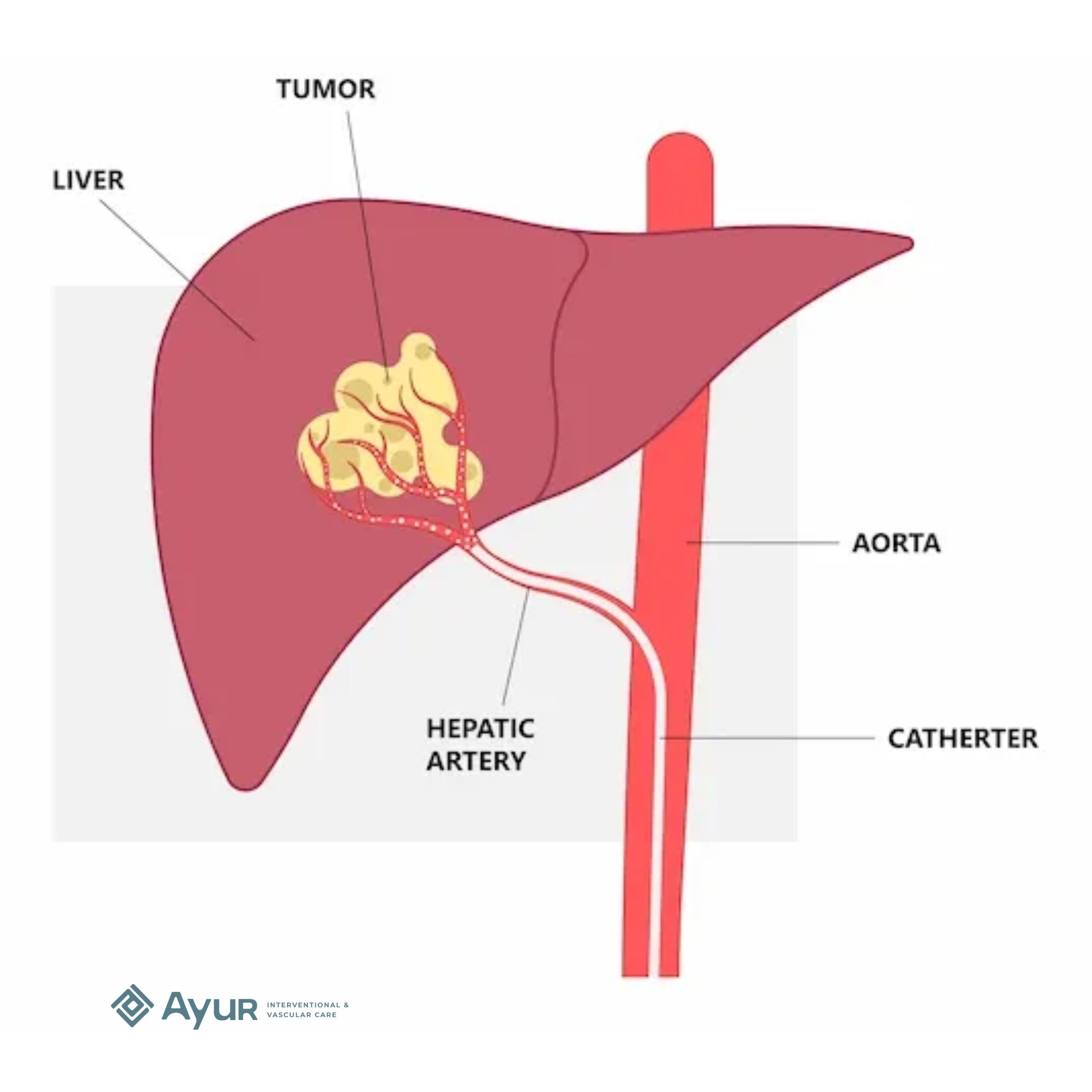
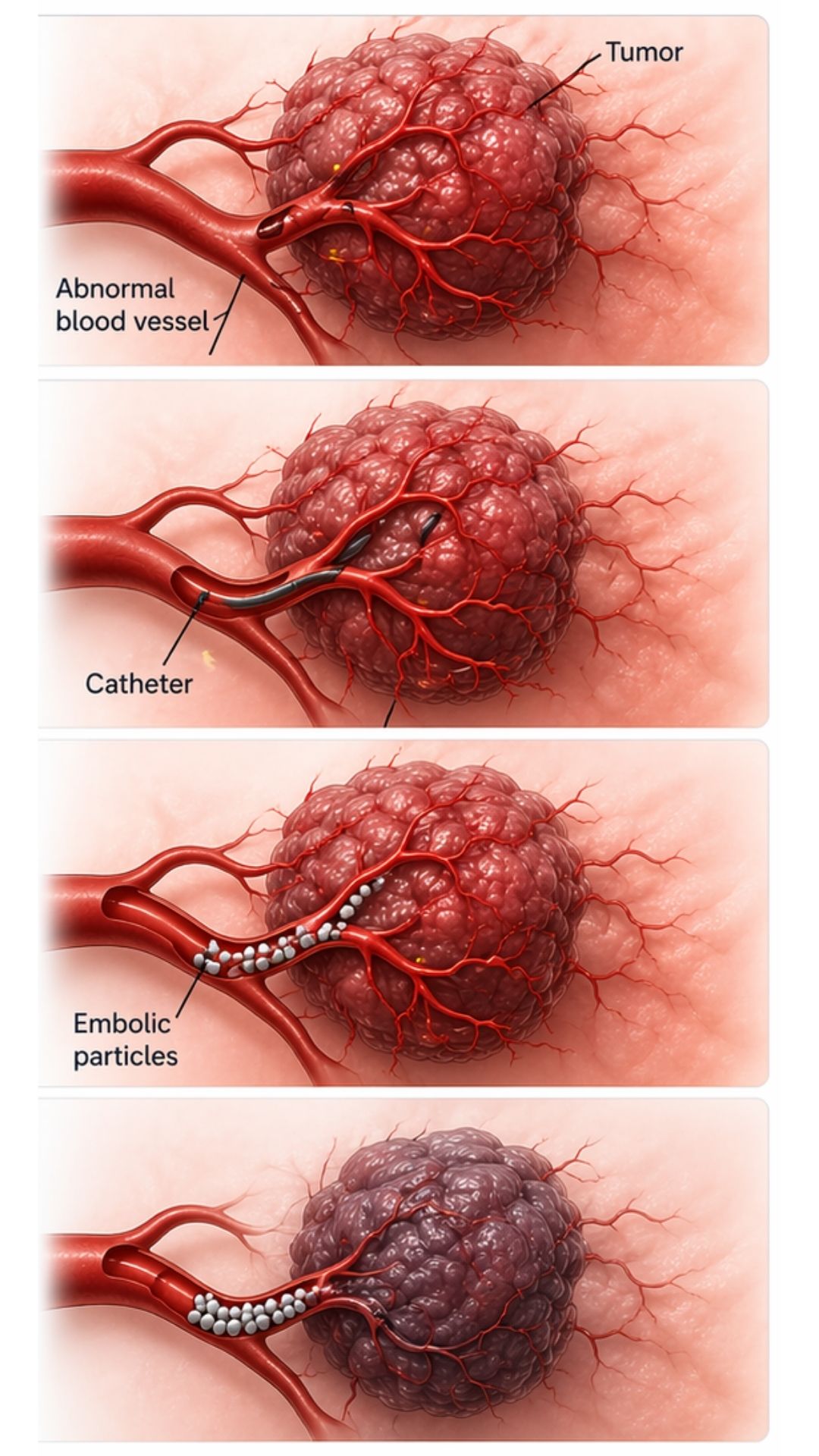
A catheter is threaded into the artery feeding the tumor, delivering concentrated chemotherapy directly into the cancer, then blocking the blood supply so the tumor “starves.”
Bland Embolization
Similar technique, but without chemotherapy; the tumor’s blood supply is blocked using tiny particles to shrink it and relieve symptoms.
Thermal Ablation of Tumors
A thin probe is placed into the tumor (through the skin or via a catheter) and uses heat (radiofrequency or microwave) or cold (cryoablation) to destroy cancer cells.
These treatments can reduce tumor size, ease symptoms like pain or pressure, and improve survival and quality of life in many patients with liver, kidney, lung, and other cancers.
How These Treatments Help
Many cancers are fed by abnormal blood vessels that the tumor hijacks to grow and spread. By targeting those vessels or the tumor itself, these procedures:
- Cut off or reduce blood flow to the tumor (TACE and bland embolization)
- Deliver high‑dose chemotherapy right where it’s needed (TACE)
- Destroy tumor tissue from the inside (thermal ablation)
Results can include:
- Smaller tumors that are easier for surgery or radiation to manage
- Relief of pain, pressure, or bleeding caused by the tumor
- Longer survival and better overall outcomes when combined with systemic therapy or other treatments
or
The Typical Treatment Experience
Map & Plan
Pre‑procedure imaging (CT, MRI, or ultrasound) pinpoints the exact location and blood supply of the tumor.
Guide Precisely
Under local anesthesia and light sedation, a thin catheter or probe is guided to the treatment area using real-time imaging.
Attack the Tumor
Either:
- Chemo + particle embolization
- Particles only (bland embolization)
- Heat or cold via ablation probe
- Go Home – patients are discharged the same day, with mild pain controlled by oral medication.
These treatments can reduce tumor size, ease symptoms like pain or pressure, and improve survival and quality of life in many patients with liver, kidney, lung, and other cancers.
Frequently Asked Questions
Are these treatments a cure?
Yes these treatments can be curative. They are also often used to control cancer growth, shrink tumors, and extend life, especially when combined with chemotherapy, immunotherapy, or radiation. In some cases, they can help make a tumor operable or bridge patients to transplant.
How soon will I see results?
Tumor shrinkage and symptom relief often appear over weeks to months, with follow‑up imaging checking how well the treatment worked.
What’s the recovery like?
Most patients are back to light activity in 2–7 days, depending on the procedure and overall health. Fatigue or mild pain around the treated area is common for a few days.
Take the First Step Today
Don’t let cancer limit your options. Ask Dr. Sclafani whether TACE, bland embolization, or tumor ablation could help shrink your tumor, relieve symptoms, and improve your prognosis. These image‑guided, minimally invasive treatments put the power of modern cancer therapy right where it matters—inside the tumor.